

CentriVet Glucose & Ketosis Tester Digital
CentriVet Glucose & Ketose Tester Digital
The CentriVet blood glucose and ketone tester is a dual glucose and ketone meter, specially developed for animals. Unique technology ensures you get accurate results for each animal within seconds.
- Small amount of blood required: 0.8 µL and 1.2 µL for glucose and ketones.
- 5 seconds for glucose results and 10 seconds for ketone results.
- Clinically proven accuracy
- Audible fill detection reduces wasted test strips
- Set includes Monitor (tester), 2x battery and storage pouch
Supplied excluding test strips 903081
Why test? Ketosis (subclinical milk fever) is a metabolic disease. One in nine Dutch dairy cows suffers from ketosis in the first months after calving, but there are large differences in the percentage of cows with ketosis per farm. The disease occurs mainly at the start of lactation as a result of a negative energy balance. Cause: Ketosis develops because cows consume too little feed directly after calving relative to the amount of milk produced — in other words, energy intake falls behind energy requirements. To cover this deficit, the cow breaks down her own body fat, a process in which ketones are formed. The body can process small amounts of these waste products, but in cases of extreme energy deficits this is no longer possible and ketosis develops. Symptoms: Cows with ketosis become lethargic, have little appetite, consume insufficient concentrate feed, produce less milk, have firm manure and their condition deteriorates rapidly. The exhaled breath of cows with ketosis smells of acetone (one of the ketones). Ketosis is often the result of another problem, such as mastitis, uterine inflammation, displaced abomasum, or a claw disorder. These conditions negatively affect feed intake, causing cows to develop a negative energy balance more quickly. Source: www.veearts.nl
Interpretation of the test:
- 0 - 1.4 mmol Normal value for a fresh cow
- 1.4 - 3.0 mmol Ketosis
- 3.0 - 6.5 mmol Severe ketosis
- 6.5 mmol Very severe ketosis
- 8.0 mmol Poor prognosis
- Quality for a sharp price!
- Fast delivery
- Technical assistance with 20 years of experience
Technical Support
Technical Support
At HappyFarmer, we are ready with expert technical support for all your questions. Please contact us and experience our personal service. We are happy to help you!
Safe Online Payment
Safe Online Payment
Enjoy the convenience and security of paying with trusted methods such as iDeal, Credit Card, Bancontact, Apple Pay, and Google Pay. Join the thousands of satisfied customers who have paid quickly and safely!
Fast Shipping
Fast Shipping
Join our satisfied customers and enjoy the convenience of our fast courier service: you will have your product at home within a few days, just like many other happy farmers who chose efficiency!
-
BrandCentriVet
-
Article code
Safe & Trusted Ordering
Payment Methods
Your payment information is processed securely. We do not store credit card or bank details and do not have access to your credit card or bank information.
Bundle Deals
Show all-

2x Glide Plate 1x Arm for Lely Discovery with free bolt set
DISCKIT001
HappyFarmer€9785Unit price /Not available -
 5% discount
Lely Discovery S/SW Tire 6ply with New Rim — Bundle of 4 (5% discount)
251016*4
HappyFarmer€62681€65980Unit price /Not available -
14% discount
2x Replacement strip suitable for Lely Discovery with free bolt set
DISCKIT002
HappyFarmer€6478€7528Unit price /Not available -
5% discount
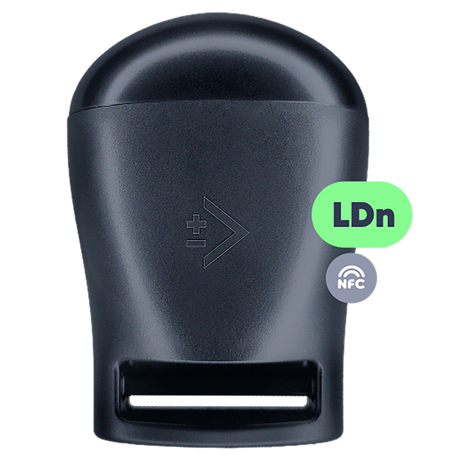
Transponder Infrared H-HR-QWES LDn 20+1 Bundle Deal
209020*21
HappyFarmer€2.94000€3.08700Unit price /Not available -
10% discount
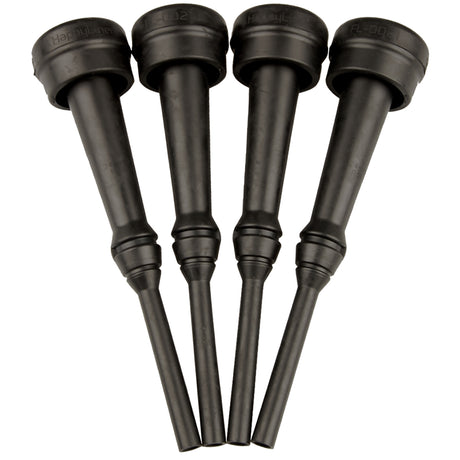
HappyLiner FL-0021 Liner 21mm suitable for Lely - Bundle 25 sets - 10% Discount
205121*25
HappyFarmer€57291€63650Unit price /Not available -
10% discount
Brush set ANTIBACTERIAL Lely A3/A4/A5 Bundle 4x2 Pieces 10% Discount
203150*4
HappyFarmer€16020€17800Unit price /Not available -
10% discount
Slit board - HARDENED - Lely Discovery Bundle 5 Pieces 10% Discount
251054*5
HappyFarmer€20228€22475Unit price /Not available -
9% discount
Solenoid valve arm cylinder Festo 10+1 Bundle
202010*11
Festo€1.04950€1.15445Unit price /Not available